If you are already found to fall in love with Sauvignon Blanc which has light, peppery and crispy taste then you for sure will be excited to know that there is a galaxy to explore. The name Sauvignon is derived from the French word “sauvage,” which translates to “wild.” It is widely produced by many countries in this world and each area or place shows diversity in taste. Understanding the different aspects and a bit of the story behind this grape will increase your chances of finding a remarkable expression of Sauvignon Blanc wine. Now that we’ve explored the general facts about the varietal in question, it’s time to get a little more specific and see which specific hue is best for you.
The History of Sauvignon Blanc
From its underlying high acidity and green fruit flavors to its old-world origins and New World popularity, Sauvignon Blanc might be one of the most intriguing varieties around. First grown in the beautiful fertile vineyards of Loire Valley in France, this aromatic grape has traveled to distant corners of the wine world and has made an imprint on the hearts of wine lovers.
Sauvignon Blanc has always been shared among the regions such as Sancerre and Pouilly-Fumé since their cool climate made the wine develop a refreshing citrus note and herbal tones. Further, its production gradually spread to different soils from well-lit Marlborough, New Zealand to the hilly Napa Valley, California, each giving specific components to the wine.
This is the strength of Sauvignon Blanc – the potential to produce a variety of styles for the sake of wine lovers' preferences. From dry and refreshing as an aperitif to accompaniment to seafood or tangy goat cheese, it can express itself from refreshing and full of strong and expressive fruit, thereby inflating the soul of the consumer.
The Sauvignon Blanc grape remains topical and it has been interesting to see that the grape develops not only in its classic regions in France but also in New Zealand and other countries where winemakers are constantly looking for better ways to improve upon the expression of the grape’s variety. Starting with stainless steel fermenting to oak aging each method makes the product distinct and different from the other products; in this way the Sauvignon Blanc remains the evergreen drink among the drinker.
Primary flavors
Sauvignon Blanc, currently recognized as one of the world’s most popular grape varieties, boasts incredible combinations of primary sensations. Subtle citrus flavors ring out in harmony, toying with puckering sensations of grapefruit and lime zest. Clear crisp green apple suggests sharp flavor and tropical fruits like passion fruit and pineapple give it a little touch of honeyed sweetness. More so, the herbal tones, akin to newly-mown hay and the scents of basil and lemongrass bring a dynamic youthful edge. This ‘journey’ of this wine for the palate is a blend of sharp tones of acidity with the capability of fruity tunes that make Sauvignon Blanc a perfect wine for any event.
Main Regions of Sauvignon Blanc
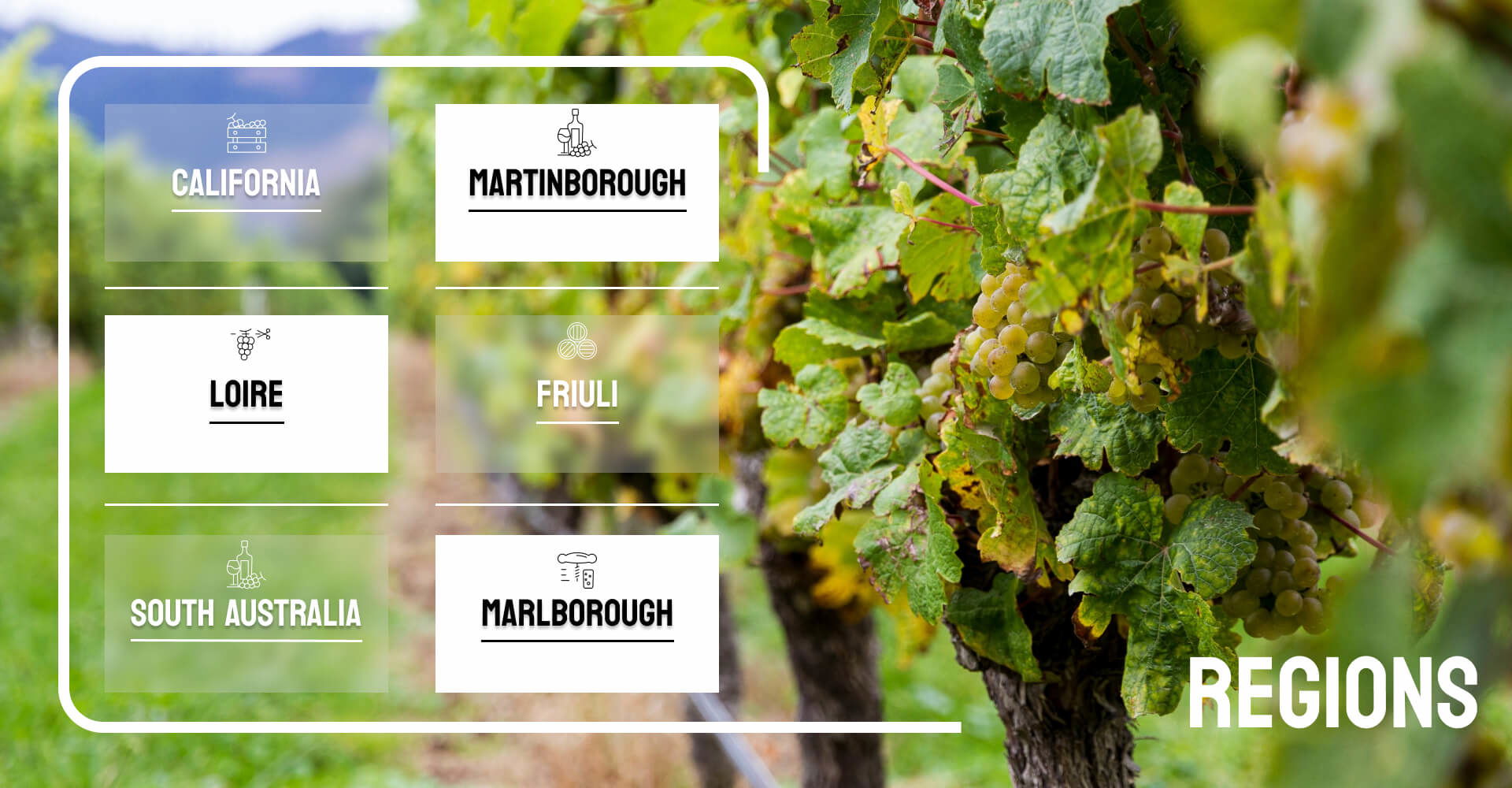
Loire
The Loire region is located in France, and along River Loire, predominantly suitable for Sauvignon Blanc climate. Sometimes compared to New Zealand offerings, Loire delivers more beautiful and focused examples of Sauvignon Blanc with newly formed, precise acidity and an Old-World-meets-New-World minerality. The winery of Domain Fournier can be best described as a recognition of sophistication and finesse that has put Sancerre in the global map through great wines. Starting with the zesty citrus of the Les Belles Vignes Sancerre Blanc that is followed by the rich and complex flavors of the Sancerre Grande Cuvée La Chaudouillonne that combines blend of tropical fruits and flinty undertones, Domaine Fournier has remove the mask of what is possible to achieve with Sauvignon Blanc in the Loire.