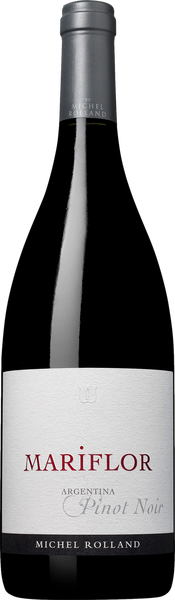
Introduction to Pinot Noir
Pinot Noir, of course, the "heartbreak grape," is the uncontested "head of state" among the entire pinot family, loved by so many wine connoisseurs from all over the world. Small size, delicate outside skin and its susceptibility to diseases all are problems farmers or breeders encounter in their daily lives, but the ones who manage to overcome those difficulties earn the better results.
What is Pinot Noir?
Pinot Noir is a red variety of grape that is directly connected to its origin in Burgundy, France, where its growing first century began. In addition to that, it is well known that the main trait of pinot noir is the production of extremely rich and refined wines with such powerful charisma that will win everyone’s heart. "Pinot Noir," which is translated from its French name into an "black pine" as well, tells the picture of the bunch of grapes filling a conical pine cone.
Pinot Noir Grape Varietal
Characteristics of Pinot Noir
This alone indicates its specific flavor and aroma of the Pinot Noir even though it is also called by its characteristic translucent ruby color, medium body, and vibrant acidity. Spending time in oak barrels, the wine is expected to possess more depth and structure of taste. While others argue that if nothing is added to the wine, then the true purity and originality of the wine craft can be reflected.

Climate and Terroir for Pinot Noir
Pinot noir feels most at home in cooler climates where it takes time to mature and in the process accumulate a balance of three elements, acidity, sugar and phenolic compounds. An honorary mention lands in the regions of Burgundy in France, Willamette Valley in Oregon, California's Sonoma Coast, and part of New Zealand, and they are famous for producing outstanding Pinot Noir wines.
The grape does well in sloped areas that drain well and the limestone-rich soil. It lends a mineral and elegant touch to the wine, and enhances its complexity. Aside from that, Pinot Noir’s vineyards are lucky to be the recipients of the moderate sunlight that helps the grapes to ripen slowly and feel good without the risk of being overheated.
Significant Sub-Varieties and Clones of Pinot Noir
Pinot Noir would be called remarkable even if it kept to the average. This is so as it has a great variety of sub-varieties and clones, all of them bringing the special flavors to the end taste. The Pinot Noir cuttings in Burundi which spiritualize are special and distinguished from other clones because of some of their unique characteristics; such as Dijon clones (115, 667, 777) as well as the Pommard clones.
‘Inside Burgundy’ is the place where clones come from and were maintained with time, while also being adapted to local conditions and vine management techniques. However, nowadays, we can find these clones outside of this region in, for example, California. By using them indicating the types of wine varietals in the region as enriched color intensity and aromaticity or the virus resistance. As a result, the winemaker gets more ability to plan and find vines features that add detail to a particular sort of wine from a specific site.
The History Of Pinot Noir And Top Regions

Being one of the toughest and the most tender varieties Pinot Noir is very complicated and humble at the same time. Its history can be traced back to antiquity when it was growing in vineyards for as long as the beloved grape variety has been adored by winemakers all over the world. From the beginning of its history in the Burgundy region of France to its international presence today, it is the authenticity and contradictory nature of the brand that have been the centers of its appeal.
The origins of Pinot Noir, which became the oldest and first type of wine cultivated by monks in Burgundy even before the 5th century AD, goes back to Roman times. It is assumed that Pinot Noir came after the word for pine cone in the French language or referred to a bunch of grapes. "Noir" is derived from the French word "noir", which literally means black; as that is the characteristic color of grape's skins.
- Burgundy, known for a cool climate, limestone-rich soils, and the experience of Pinot Noir winning spread throughout the centuries, still is the spiritual place of this variety. Here, the vine takes advantage from a small mix of microclimates and terroirs, and each of them creates specific styles of wine produced on the territory. From the famous vineyards of Côte de Nuits that produce the magical blue-rosé colored wine to the rich hills of Côte de Beaune composed primarily of limestone, Burgundy continues to lead as the best region for Pinot Noir.
Nevertheless, Pinot Noir's exquisiteness is not limited to this region. Through ages of its dispersion to different lands on earth, the discovery of the hidden capacities of the grape extension by winemakers, together with the efforts to reflect the specific terroir and turn it into a piece of Art was never ending. Today, some of the most acclaimed Pinot Noir wines come from regions such as:
- Sonoma Coast, California: Sonoma Coast is regionally famous and well accomplished at winemaking; this large area offers multiple microclimates and soil types that help to grow the Pinot Noir. Sonoma Coast AVAs is recognized for an ocean impact-featured climate and cool conditions that cause wines to have beautiful acidity, intense fruit flavors, and a pinch of earthy tones. Some of the top wines are Sonoma Coast Vineyards SCV Freestone Hills Pinot Noir, Duckhorn Migration Sonoma Coast Pinot Noir and, Martin Ray Sonoma Coast Pinot Noir and so on.